
At Facing Forward, we believe education is one of the most powerful tools for building a more compassionate and inclusive world. Our interactive workshops bring that belief to life, sparking conversations that shift perceptions, build resilience, and change the way people see themselves and one another.


The Outside: Inside, You Decide
What do you see when you look at someone whose appearance is different from your own? This thought-provoking interactive workshop invites middle and high school students to open their hearts and minds and look deeper. Built on the powerful premise that intrinsic characteristics matter more than outward appearance, this program challenges students to examine their assumptions and biases, embrace difference, and discover the whole person within. Our differences make us unique and interesting. Our character makes us who we are.

FaceIT @Home: A New, Tested and Proven Tool to Help Adults who have Facial or Physical Visible Differences Manage Appearance Related Distress.
Face It @home is a tested and proven eight-week psychological online program to help adults (18 and older) who have a visible difference manage their appearance related distress more effectively. Visible differences include any kind of condition that affects the appearance of any part of the body or face including skin conditions, amputations, scarring, burns and disfigurement no matter the cause or severity. People who have a noticeable disfigurement often report staring, comments and curiosity from others, particularly when meeting them for the first time. - info
Educational Seminars and Workshops
What You Can do When People Stare (For individuals or parents of children with congenital or acquired physical or facial differences)
Frequently, those who look out of the ordinary are the objects of intrusive staring. Research confirms that physical difference impedes communication and complicates social integration and can cause isolation and rejection. This interactive workshop informs participants about why people stare and explores questions such as, “How does it feel to be the object of a stare?”; “What do you do when you encounter someone with a physical difference?” Participants learn and practice communication skills to ease conversation and improve social interactions. Informed, they have new confidence to respond to stares and educate others. Often, participants enter the workshop with a preconceived, “negative” opinion about the motive of staring and leave the workshop with a new, “positive” outlook. They realize that they can break down barriers by being prepared.
What to do When you Encounter Someone with a Physical or Facial Difference
to Facilitate a Pleasant Encounter (For the public)
If you’ve ever felt awkward or uncertain about what to do or say when you encounter someone with a physical or facial difference, this interactive and informative workshop will answer your questions and equip you with skills to make every encounter comfortable. It’s normal to stare at someone who looks unfamiliar. It’s rude and hurtful to glare or gawk, make a patronizing remark, ask inappropriate questions, invade the person’s personal space, or bully someone with a physical or facial difference. In this workshop, we examine our own personal attitudes and behaviors as they relate to appearance. We explore why we stare and ask questions such as, “How do you feel when you encounter someone with a physical difference?” to “What actions do you take when you encounter someone with a facial or physical difference?” We dispel misconceptions about those who have physical differences and educate about the abilities and challenges of living with a physical or facial difference.
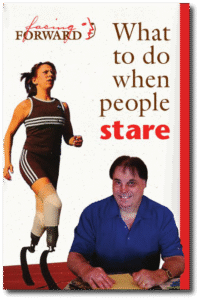
What to Do When People Stare
Staring is one of the most universal and most challenging experiences for people living with a facial or physical difference. Rooted in science and lived experience, this engaging interactive workshop explores why people stare, exploring unconscious bias, stigma, the "beauty mystique," media misrepresentation, and even the brain's own physiological responses to unfamiliar faces. Participants leave equipped with practical strategies to navigate staring encounters with confidence, facilitate more meaningful communication with strangers, and in the words of Eleanor Roosevelt, refuse to let anyone make them feel inferior without their permission
Click to download this free brochure in pdf format.